Alexander Von Humboldt
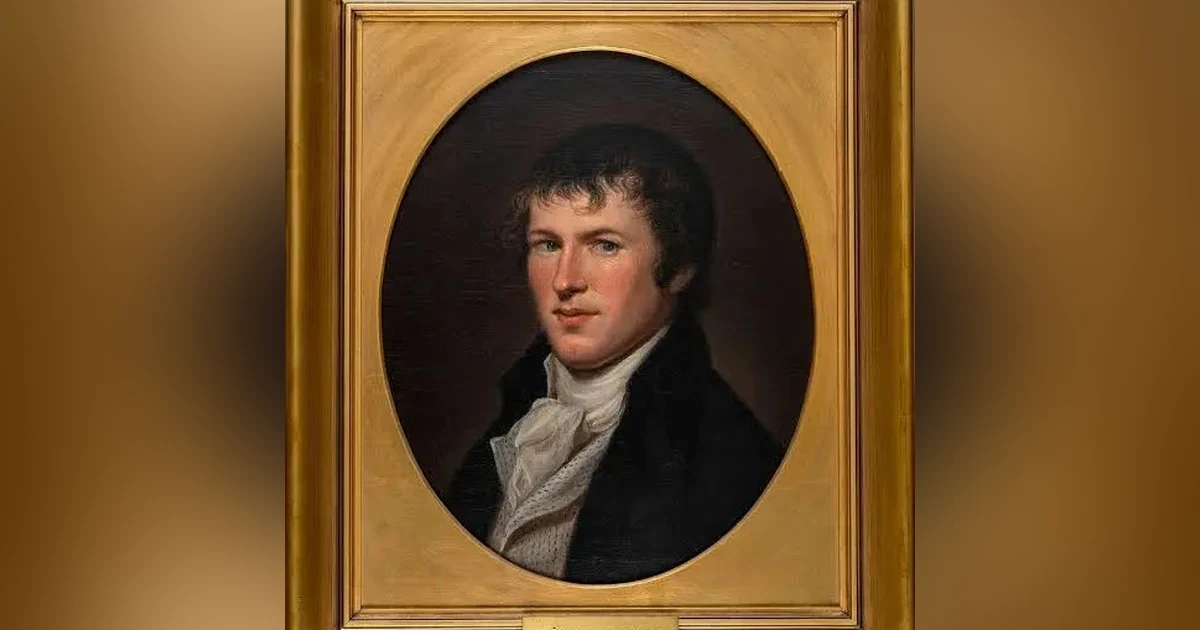
Friedrich Wilhelm Heinrich Alexander von Humboldt (14 September 1769 – 6 May 1859) was a German , , , , and proponent of philosophy and . He was the younger brother of the Prussian minister, philosopher, and (1767–1835). Humboldt's quantitative...

 Apple Podcasts
 Spotify
 Castro
 RSS Feed
 TuneIn
 iHeartRadio
 Friedrich Wilhelm Heinrich Alexander von Humboldt{{cite web|url=https://www.collinsdictionary.com/dictionary/english/humboldt|title=Humboldt|work=[[Collins English Dictionary]]|publisher=[[HarperCollins]]|access-date=11 July 2019}} also {{IPAc-en|US|ˈ|h|ʊ|m|b|oʊ|l|t}},{{Cite Merriam-Webster|Humboldt|access-date=11 July 2019}} {{IPAc-en|UK|ˈ|h|ʌ|m|b|ɒ|l|t}};{{Cite dictionary |url=http://www.lexico.com/definition/Humboldt,+Alexander+von |archive-url=https://web.archive.org/web/20210512144325/https://www.lexico.com/definition/humboldt,_alexander_von |url-status=dead |archive-date=2021-05-12 |title=Humboldt, Alexander von |dictionary=[[Lexico]] UK English Dictionary |publisher=[[Oxford University Press]]}} {{IPA|de|ˌalɛˈksandɐ fɔn ˈhʊmbɔlt|lang}}"}},"i":0}}]}">[a] (14 September 1769 – 6 May 1859) was a German polymath, geographer, naturalist, explorer, and proponent of Romantic philosophy and science.[5] He was the younger brother of the Prussian minister, philosopher, and linguist Wilhelm von Humboldt (1767–1835).[6][7][8] Humboldt's quantitative work on botanical geography laid the foundation for the field of biogeography, while his advocacy of long-term systematic geophysical measurement pioneered modern geomagnetic and meteorological monitoring.[9][10] Humboldt and Carl Ritter are both regarded as the founders of modern geography as they established it as an independent scientific discipline.[11][12]
